Measure the safety zone first
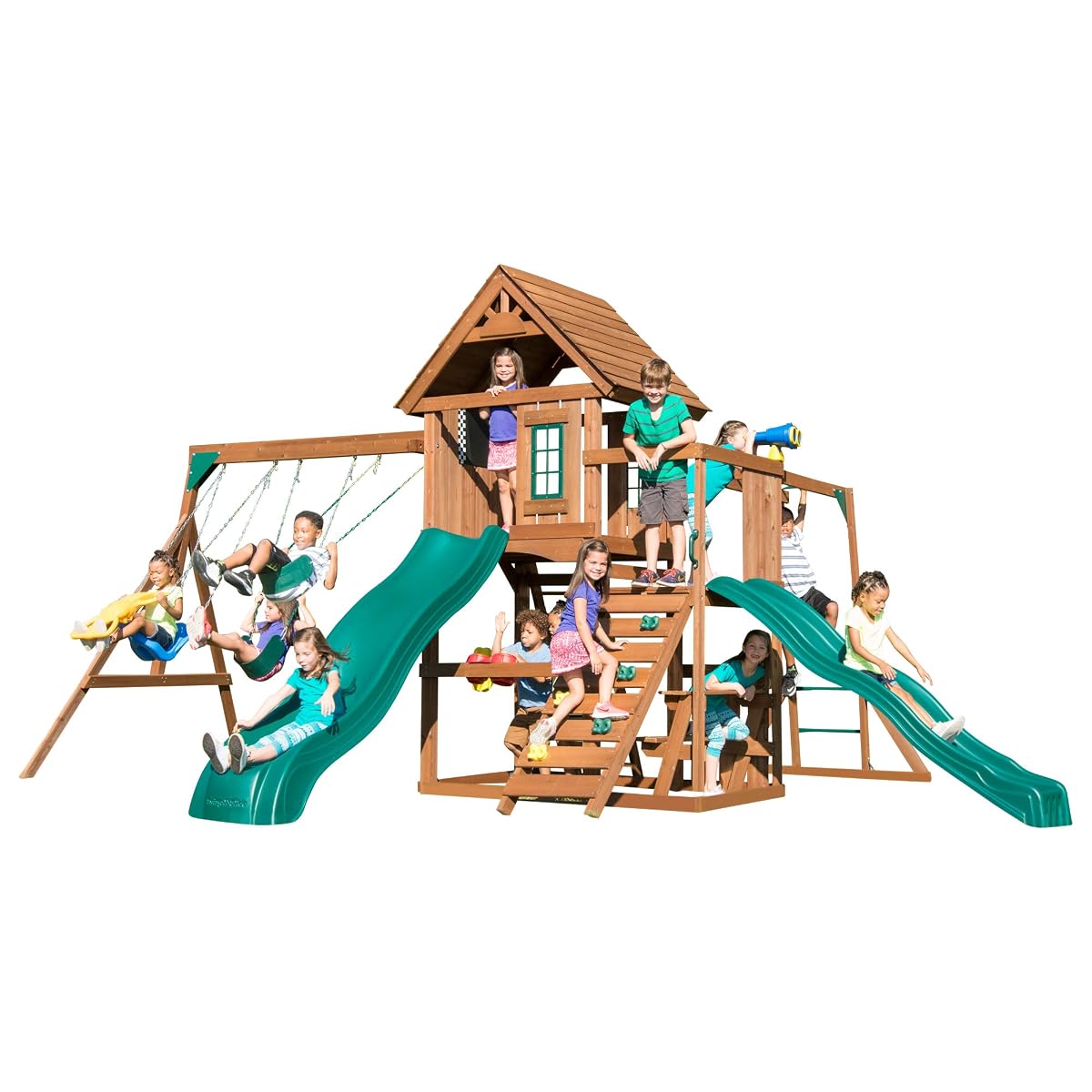
Before you look at a single playset, go outside with a tape. Find the flattest rectangle you have and mark six feet of clear ground on every side of where the structure would stand, and more in front of a slide exit. That envelope is the number that will decide what you can buy. A compact swing set wants about twenty by twenty feet. A large wooden set with two slides and a climbing wall wants nearer thirty by thirty.
Level matters as much as size. A set built on a slope is built with its load going sideways, and no amount of good hardware fixes that. If the fall across the footprint is more than a few inches, plan on cutting and filling before anything is delivered.
Match the size to the family, not the catalogue
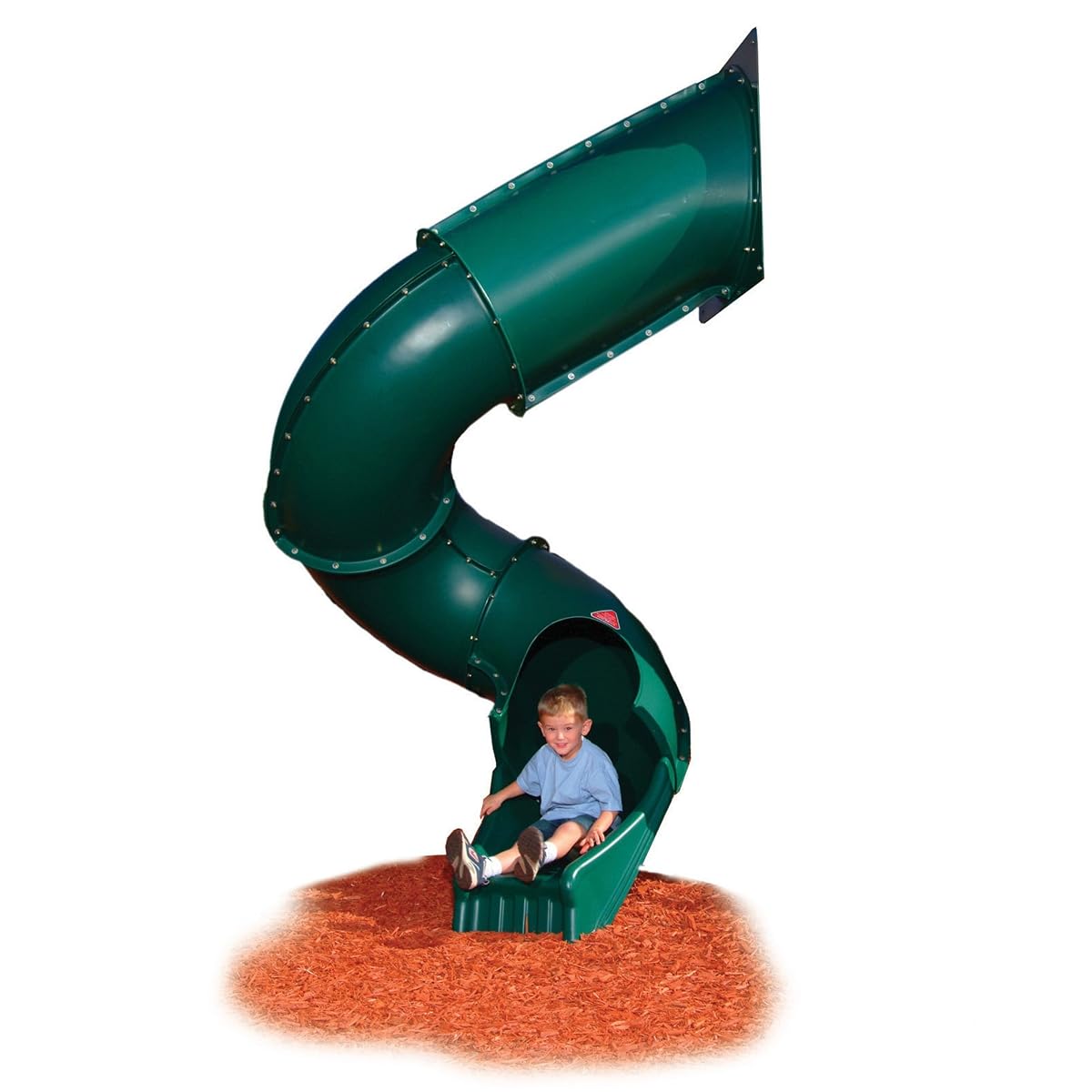
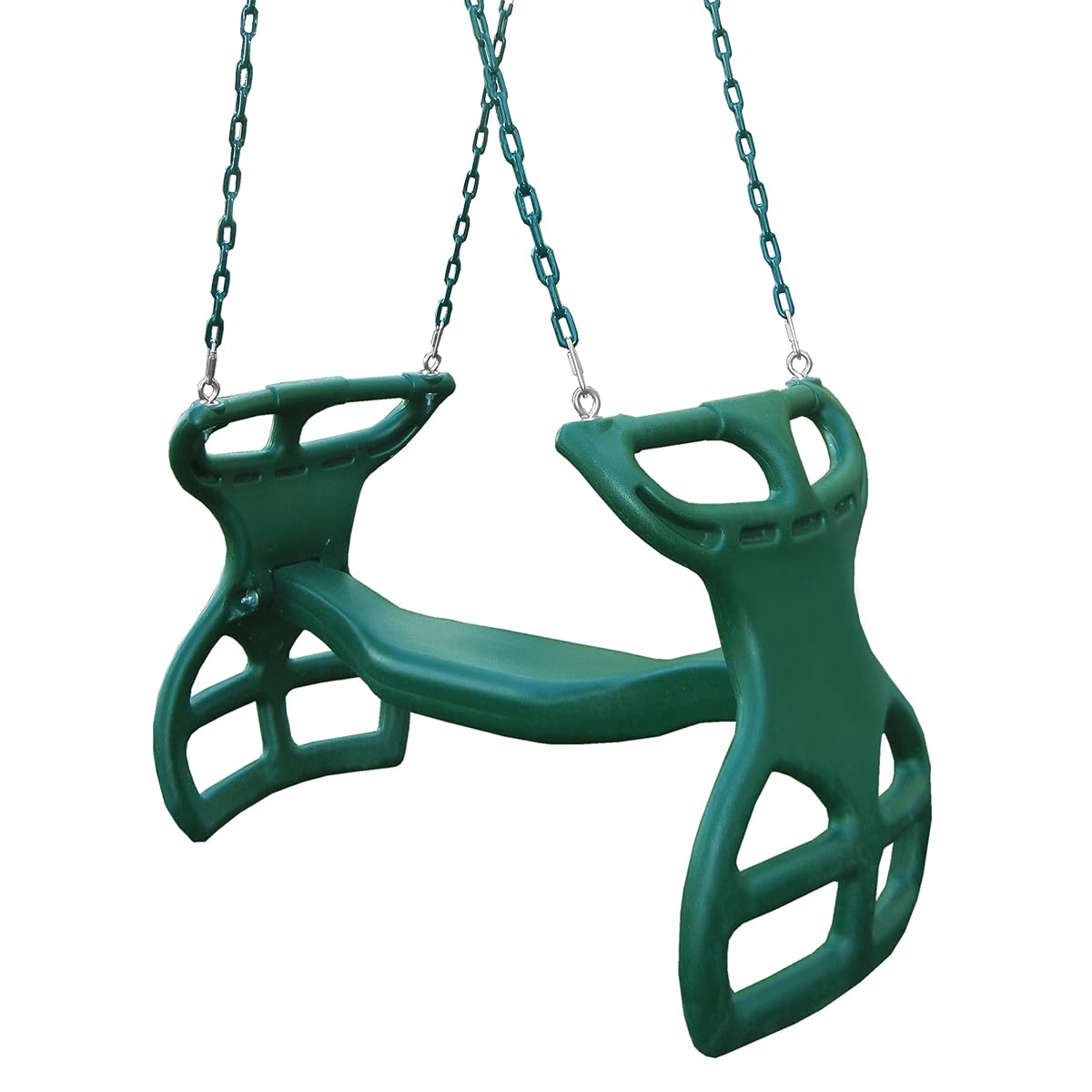
Count the kids who will actually be on it and the years you want it to last. Two small children do not need monkey bars yet, but they will in three years, and a set designed to be added to is cheaper than a second set. We size decks and beams across the line so you can customize later — a glider, a nest swing, a climbing wall, a tube slide.
Think about who else uses the yard. A set that creates a wall across the middle of a small garden gets resented by the adults by August. Pushed into a corner with the slide facing in, the same structure gives everybody room.
Wood, hardware and what gives a set its stability
Treated softwood and cedar both last well outdoors. Cedar is naturally weather resistant and silvers over the years; treated lumber is stronger per pound and cheaper. Either is fine. What actually decides stability is the joint: a bracketed A-frame with through-bolts and four ground anchors is rigid, and a set built with screws into end grain is not.
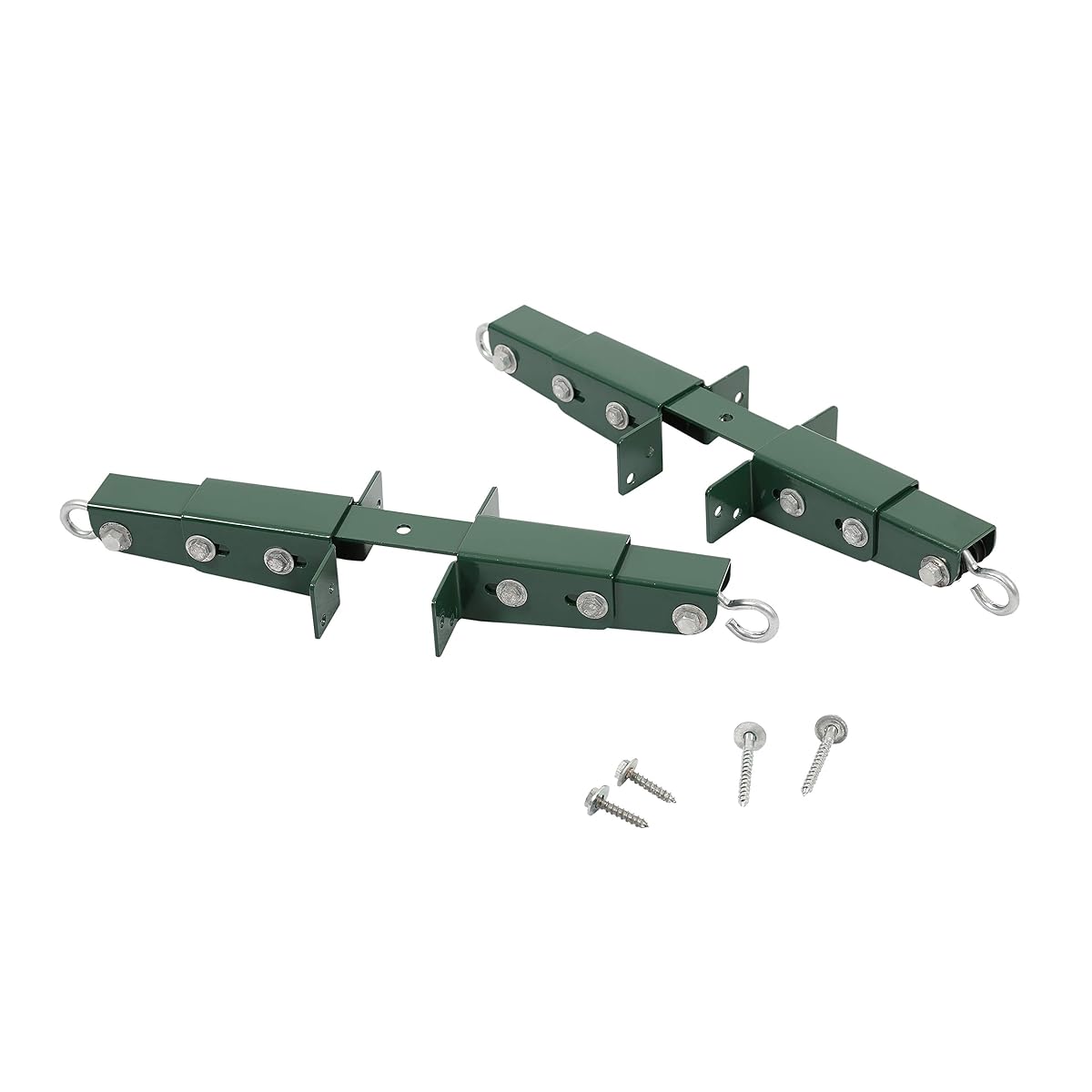
Our complete sets ship pre-cut and pre-drilled with the brackets and fasteners designed for them, which is why the frame comes out square without a carpenter. If you would rather buy your own lumber, the hardware kits carry the same steel and the plans with a full cut list.
Installation, and the weekend it really takes
Two adults, a cordless drill, a socket set, a level and a tape. Six to ten hours for a mid-size wooden set, spread over two days, plus whatever ground work you decided to do. Sort the hardware into labelled piles before you start — it is the single biggest time saver and it is free. Stand the tower first, hang the beam second, fit the slide and the swings last.
Anchor before anyone plays. Four anchors, one per leg, driven at an angle away from the frame. A standing rider on a swing lifts a frame more than its weight suggests.
Surfacing, and how long it all lasts
Under the set, lay nine inches of engineered wood fibre, rubber mulch or pea gravel and rake it back into the hollows a few times a season. Grass compacts to something close to pavement under a swing within a summer.
A wooden set that is anchored, drains well and gets its bolts checked each spring will give you ten to fifteen years of fun. The parts that age out first are the ones we sell separately: seats, chains, canopies and plastic handles. Replacing those is a morning. Replacing a frame is a weekend you already spent.